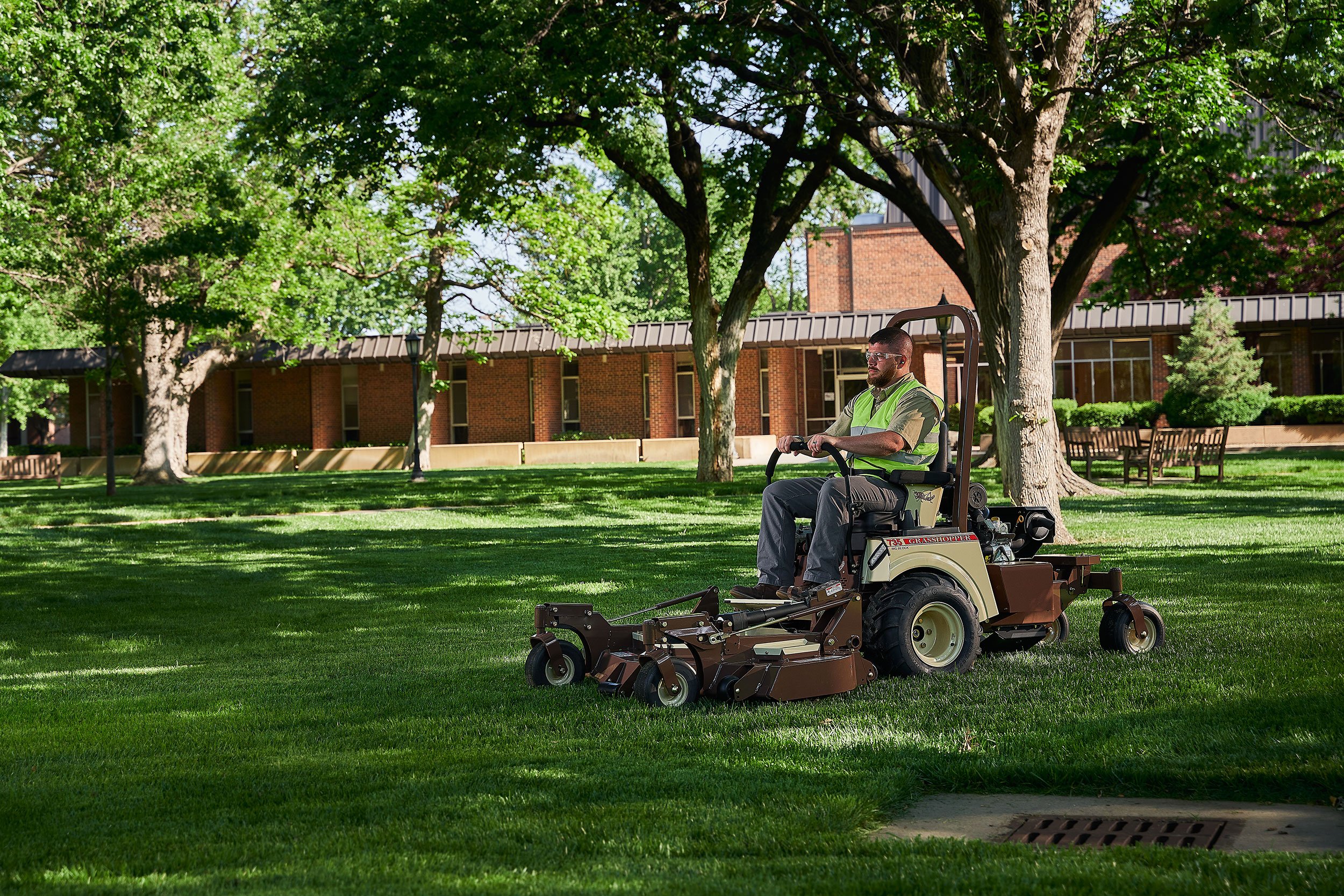
For us mowing fanatics there is no greater source of pride than a thick, lush lawn—and no bigger embarrassment than a patchy, wilted one. We want a sea of emerald green, not a sickly splattering of brown and yellow. That’s why it’s an absolute necessity to stay knowledgeable on the various lawn pests that threaten your turf. Read on for more info regarding three common lawn pests and how to spot them.
1. Moles
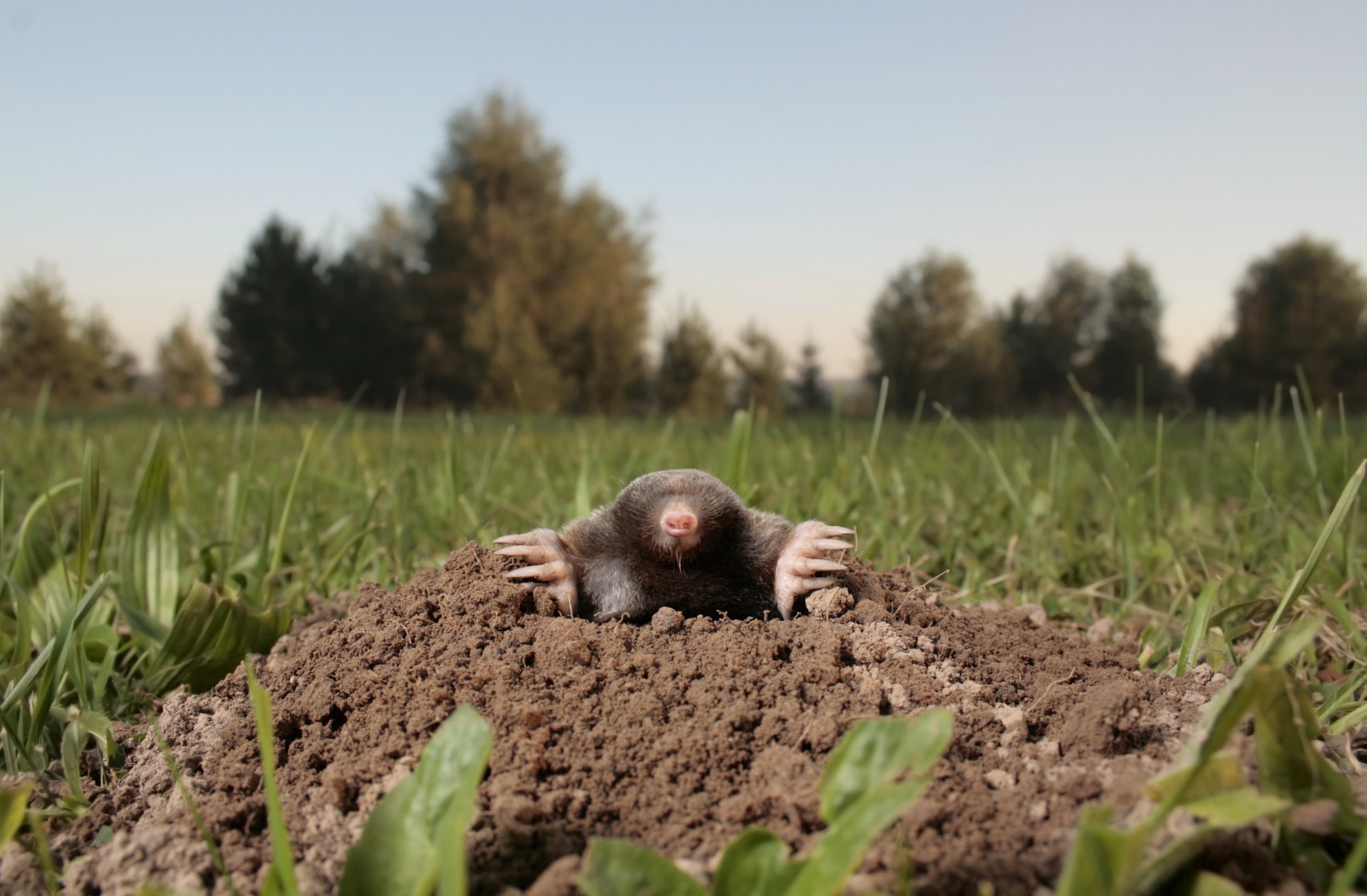
Perhaps the most infamous of the bunch, moles are the most common lawn and garden pest around. Moles tend to prefer overwatered lawns due to the damp, easy-to-dig soil and are more active during the spring and fall seasons. The volcano-like mounds of soil they leave behind are their signature identifier. And, while moles prefer to stay deep underground, if you start to spot a string of raised ridges running all across your turf that’s another surefire sign that the moles have arrived.
2. Grubs
Among the most ruinous of all lawn pests, grubs are commonly found in the Northwest, Midwest, and Southwest regions. These c-shaped pests lurk just beneath the soil surface feeding on grass roots and are most active during the spring, summer, and early fall. Grub damage starts with wilted grass and ends with large patches of brown, dying turf as they continue to devour the roots of your grass. Finally, the last sign of a grub infestation is spongy turf that easily lifts from the soil of your lawn.
3. Chinch Bugs
These tiny sap-sucking insects feed on the juices of individual grass blades, leaving behind an anticoagulant that forces grass to stop absorbing water as they go. Chinch bugs prefer lawns in sunny areas and are most active from June to September. Chinch bug damage begins with irregular patches of purple-tinged turf, followed by wilting and ends with large patches of yellow and brown grass. Often mistaken for drought stress due to the wilting and dryness of the damage, a closer look will reveal these pesky insects as the true wrongdoer.
Protect your lawn by staying knowledgeable on the common pests that threaten your perfect sea of emerald green.
Sources:
https://www.gardentech.com/blog/pest-id-and-prevention/how-to-detect-and-treat-common-lawn-pests
https://www.loveyourlandscape.org/expert-advice/lawn-care/insect-and-pest-control/5-common-pests-that-like-to-call-your-lawn-home/



.jpg)